Water damage and mold are directly linked: mold needs moisture, and a leak delivers it. The speed at which you dry a wet area determines whether you're dealing with a minor cleanup or a full remediation.
The 24–48 hour mold timeline
| Timeframe | What's happening | |---|---| | 0–24 hours | Water soaks into drywall, carpet, and wood; spores begin germinating | | 24–48 hours | Active mold growth can begin; musty odor develops | | 48–72 hours | Colonies spread; porous materials may be permanently compromised | | 1–2 weeks | Visible widespread growth; structural damage and higher costs |
The key takeaway: mold can begin growing within 24–48 hours in the warm, humid conditions typical of Sacramento's climate.
Why fast, thorough drying matters
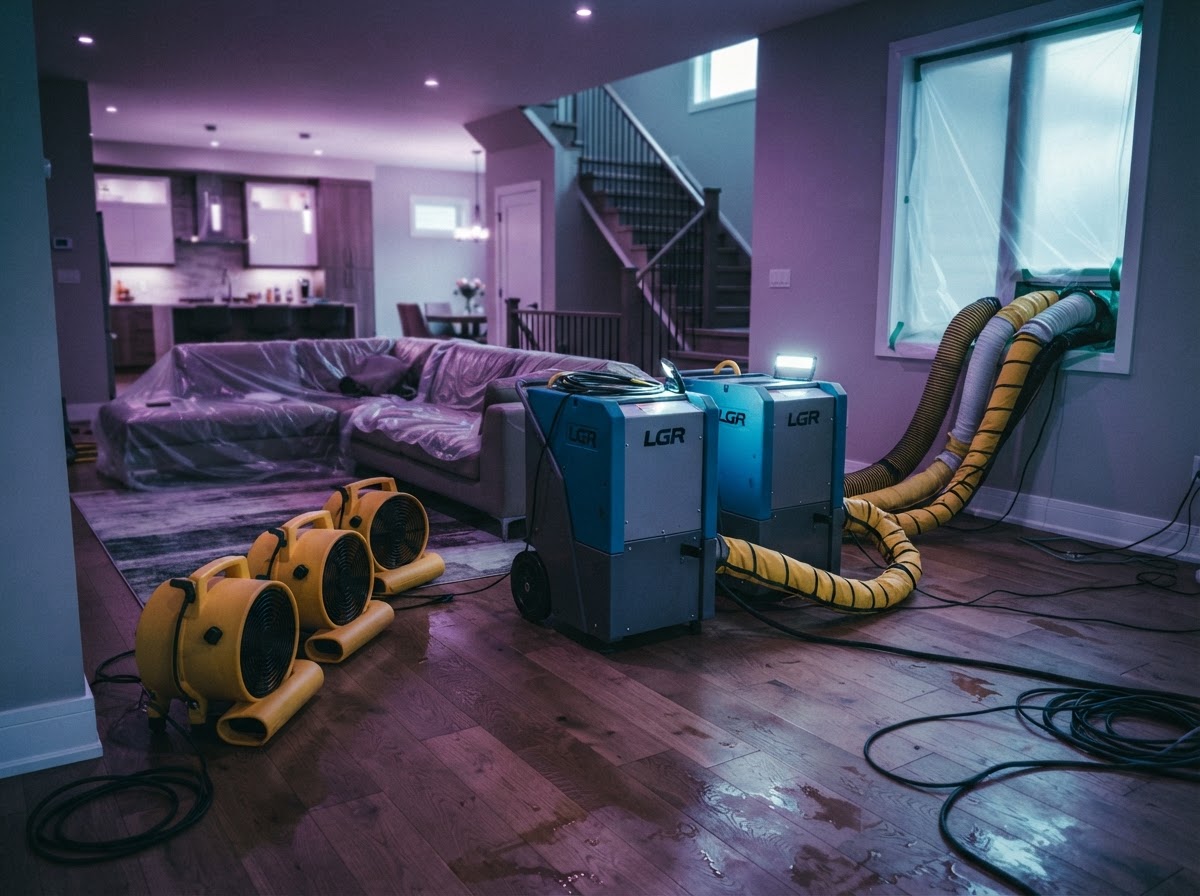
Surface drying isn't enough. Water wicks into wall cavities, subflooring, and insulation, where it stays hidden and keeps feeding mold for weeks. Professional drying uses:
- Industrial dehumidifiers to pull moisture from the air and materials
- Air movers to circulate dry air into cavities
- Moisture meters to confirm materials are actually dry, not just dry to the touch
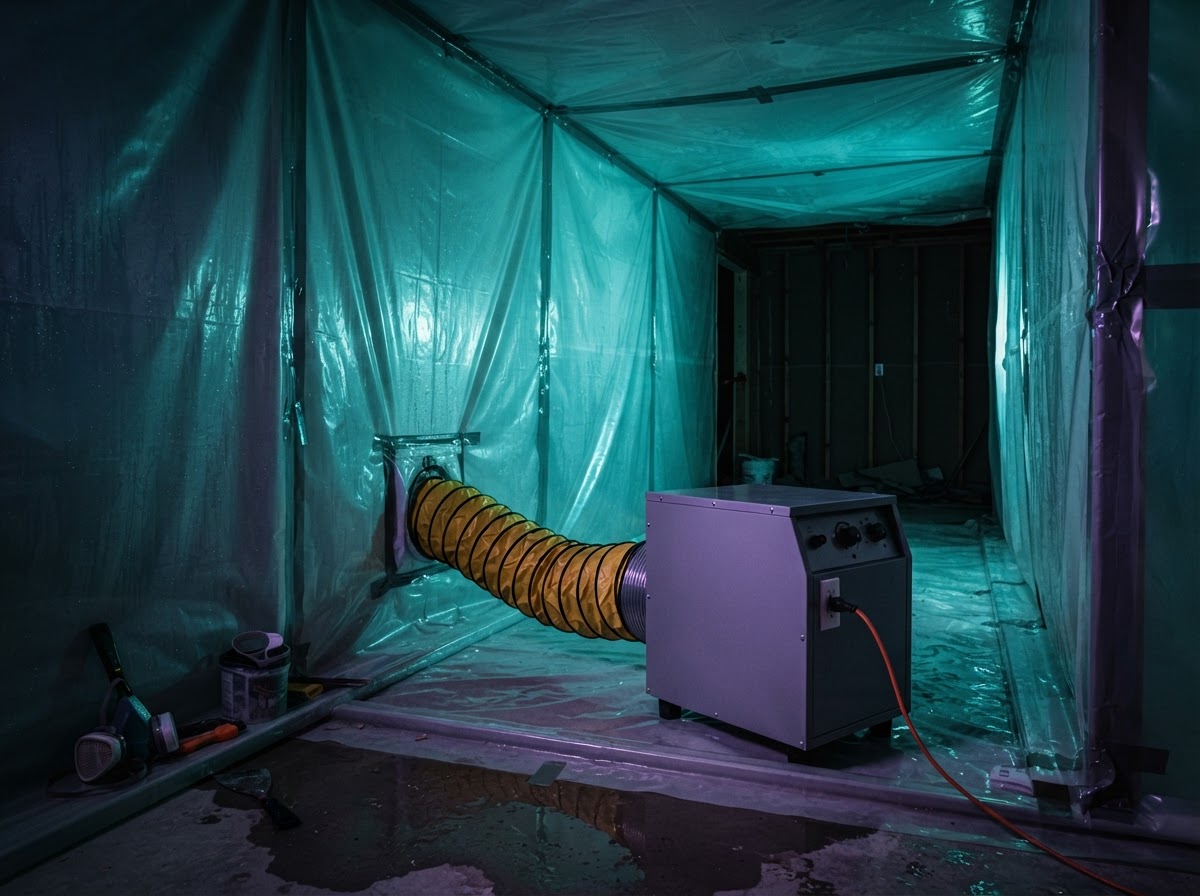
- HEPA and negative air scrubbing if mold has already started
Steps to take in the first 24 hours
- Stop the water source if it's safe to do so.
- Remove standing water and soaked rugs or furniture.
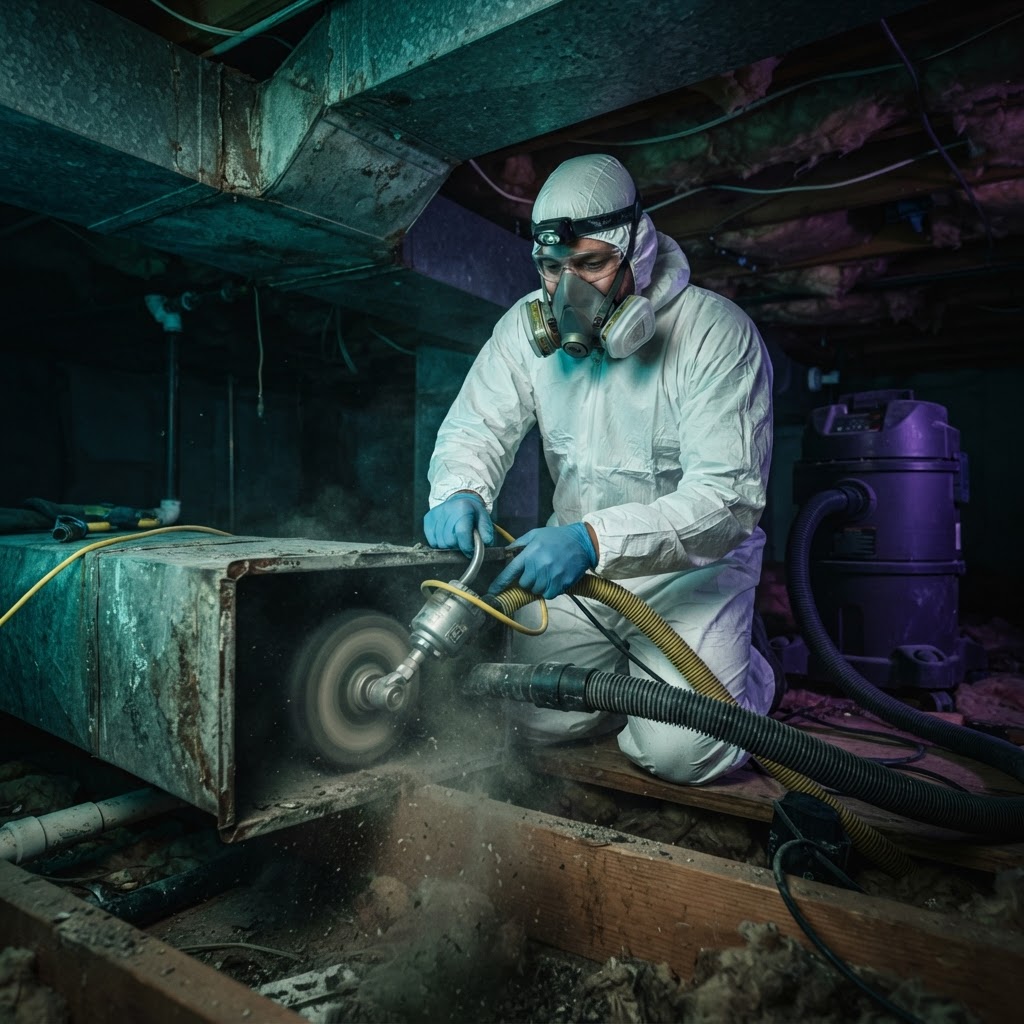
- Turn off HVAC if you suspect contamination inside the system.
- Call a restoration professional for extraction and structural drying.
- Document everything with photos for insurance.
When to call a professional
If the water came from a contaminated source (sewage, flooding), has been sitting more than 24 hours, or soaked into drywall, insulation, or carpet, professional help is essential. Attempting a DIY cleanup often spreads contamination.
Had a leak, burst pipe, or flooding? Call (844) 393-2902 — we respond 24/7 and can begin drying within the hour.